Understanding Ring Avulsion Classification: A Comprehensive Overview of Severity Levels
Understanding Ring Avulsion Classification: A Comprehensive Overview of Severity Levels
Ring avulsion is a severe and traumatizing finger injury that can result in devastating consequences. To better understand and assess the severity of ring avulsion injuries, medical professionals have developed a classification system. This classification system categorizes ring avulsion injuries based on their extent and severity, providing crucial information for treatment planning and prognosis. In this article, we will delve into the different classifications of ring avulsion, shedding light on the varying degrees of injury and their implications.

Class I: Superficial Avulsion:
Class I ring avulsion refers to injuries where the skin is partially or completely torn away, exposing the underlying tissues. In these cases, the avulsed tissue can sometimes be reattached successfully through microsurgical techniques. While this classification may still require surgical intervention, the overall prognosis for finger function and aesthetics is relatively favorable compared to higher-severity classifications. However, even in Class I injuries, long-term rehabilitation and hand therapy are essential to maximize recovery and restore optimal hand function.
Class II: Partial Soft Tissue Avulsion:
Class II ring avulsion involves the partial avulsion of soft tissues, including the skin, subcutaneous tissue, and possibly the underlying structures. These injuries typically result in more extensive damage and can be challenging to manage. Reconstructive surgery, often involving the use of tissue grafts or flaps, is commonly required to restore the lost tissues and promote healing. Rehabilitation and hand therapy play a critical role in mitigating complications, such as scar contracture and functional impairment, ensuring the best possible outcomes for the affected finger.
Class III: Complete Soft Tissue Avulsion:
Class III ring avulsion is the most severe and complex classification, involving the complete avulsion of soft tissues, including the skin, subcutaneous tissue, and underlying structures such as tendons, ligaments, and blood vessels. These injuries often result in significant functional impairment and can pose a substantial challenge in terms of reconstruction. Microsurgical techniques, including tissue transfer or replantation, may be necessary to salvage the finger and restore some level of hand function. Rehabilitation and extensive postoperative care are vital for optimizing outcomes, although the functional recovery may be limited in Class III injuries.
Conclusion:
The classification of ring avulsion injuries provides a valuable framework for understanding the severity and complexity of these traumatic finger injuries. From the relatively superficial Class I avulsions to the challenging Class II and the severe Class III avulsions, each classification guides medical professionals in determining the appropriate treatment approach and managing patient expectations.
It is important to note that the classification system serves as a general guide and does not capture the full spectrum of variation within ring avulsion injuries. Each case requires a thorough evaluation by a qualified medical professional to assess the specific extent of tissue damage and plan the most suitable treatment strategy.
By understanding the classification of ring avulsion injuries, medical professionals can provide informed care, optimize treatment outcomes, and offer support to individuals who have experienced these traumatic events. Additionally, continued research and advancements in surgical techniques and rehabilitation approaches are crucial in further improving the management and prognosis of ring avulsion injuries.
Ring Avulsion A Traumatic Finger Injury
Ring avulsion is a highly traumatic finger injury that occurs when a ring, typically made of metal, becomes caught on an object and forcefully pulls on the finger. The resulting force can lead to significant damage to the finger's soft tissues, including the skin, subcutaneous tissues, tendons, ligaments, and blood vessels. This type of injury is characterized by the tearing, degloving, or amputation of the affected finger, often causing severe pain, bleeding, and functional impairment.
The mechanism of ring avulsion involves the ring getting trapped or snagged on an object with a small opening, such as machinery, door handles, or other surfaces. As the person wearing the ring moves or tries to pull away, the ring can exert an extreme force on the finger, causing the tissues to stretch, tear, or detach from the underlying structures. The rapid and forceful nature of the injury can result in severe trauma, sometimes leading to complete amputation of the finger or loss of soft tissue.
The consequences of ring avulsion can be devastating and life-altering. In addition to the immediate physical trauma and pain, individuals who experience ring avulsion may face long-term complications. These may include permanent disfigurement, loss of sensation, impaired hand function, chronic pain, and psychological distress. The functional impairment can significantly impact a person's ability to perform daily activities, work, and maintain their quality of life.
Emergency medical care is crucial for ring avulsion injuries. Immediate assessment and treatment aim to control bleeding, manage pain, and prevent infection. In cases of complete or partial amputation, attempts may be made to preserve and reattach the amputated part through surgical techniques. However, the success of replantation depends on various factors, including the extent of the injury, the condition of the amputated tissue, and the timeliness of medical intervention.
Rehabilitation plays a vital role in the recovery process following ring avulsion. It may involve physical therapy, occupational therapy, and specialized hand therapy to restore mobility, strength, and function. Psychological support and counseling are also essential to address the emotional impact of the injury and help individuals cope with any feelings of trauma or loss.
Prevention is key in avoiding ring avulsion. Individuals who wear rings should exercise caution and remove them before engaging in activities that pose a risk, such as operating machinery, working with tools, or participating in sports. Choosing rings with safety features, such as breakaway designs or non-metallic materials, can also reduce the likelihood of ring avulsion injuries.
In conclusion, ring avulsion is a traumatic finger injury that results from a ring being caught and forcefully pulling on the finger. It can cause severe damage, including tissue tearing, degloving, or even amputation. The immediate and long-term consequences of ring avulsion can be significant, impacting physical function, aesthetics, and emotional well-being. Prompt medical care, rehabilitation, and preventive measures are crucial in managing and preventing this devastating injury.
Ring avulsion classification
After injury three patients had adequate circulation. Often times the injury looks minor perhaps little or no skin injury but the extent of the injury may be much more severe. Of 52 patients with inadequate circulation 8 had primary amputation.
Standard wedding band 3mm wide regardless of alloy will not open at 1000n. Their class iii injuries included fracture or joint injury. They modified the urbaniak classification to include arterial only or venous only injuries in typical class ii injuries without phalanx fracture or joint dislocation.
The most severe forms of injury involve vascular compromise or complete amputation associated with tendon injury andor fracture. Classification fifty five cases of ring avulsion injury were reviewed to examine how extent of injury and surgical management correlated with results. The Eaton classification is useful and practical.
Digital arteries injured only. After injury three patients had adequate circulation. The mean 2 point discrimination in patients after class iii injury is 10 mm.
Ring avulsion class incomplete degloving or complete amputation. 5 described an alternative classification emphasizing the presence of skeletal injury reflecting the difference in treatment required and. Avulsion fractures of the volar plate are very common injuries often resulting from sporting injuries and usually involving the middle and ring fingers.
Digital arteries skeletal injury. Of 52 patients with inadequate circulation 8 had primary amputation. Classification and prognosis fifty five cases of ring avulsion injury were reviewed to examine how extent of injury and surgical management correlated with results.
Ring avulsion represents a spectrum of soft tissue neurovascular tendon and bone injury. Be it a wedding band and engagement ring a class ring or any. Ring avulsion and prognosis injuries.
A ring avulsion injury occurs when a ring worn on the finger is forcefully pulled away from the finger causing damage to the soft tissues of the finger. Several classification systems for them have been proposed for them.

Ring Avulsion Injury Pattern Treatment And Outcome
Ring avulsion injuries can vary in their pattern, severity, and the specific structures affected. Treatment and outcomes depend on several factors, including the extent of tissue damage, the condition of the amputated part (if applicable), and the timeliness of medical intervention. Let's explore the typical treatment approaches and potential outcomes for ring avulsion injuries.
Injury Pattern:
Ring avulsion injuries can be classified into different patterns based on the extent of tissue involvement:
- Superficial Avulsion: In this pattern, the injury primarily affects the skin, with partial or complete tearing away of the skin tissue. Treatment may involve cleaning the wound, removing any debris, and suturing or grafting the skin. The outcome for superficial avulsion injuries is generally favorable, with proper wound healing and functional recovery expected.
- Soft Tissue Avulsion: This pattern involves the partial or complete avulsion of soft tissues, including the skin, subcutaneous tissues, and potentially underlying structures such as tendons and ligaments. Treatment typically requires surgical intervention, which may involve repairing or reconstructing the damaged soft tissues, including the use of tissue grafts or flaps. Rehabilitation and hand therapy play a crucial role in optimizing outcomes and restoring hand function.
- Complete Avulsion: This is the most severe pattern of ring avulsion, involving the complete avulsion of soft tissues, including the skin, subcutaneous tissues, tendons, ligaments, and blood vessels. Replantation or tissue transfer procedures may be considered in an attempt to salvage the amputated part and restore function. However, the success of replantation depends on several factors, including the condition of the amputated part and the availability of suitable blood vessels for reattachment.
Treatment:
The treatment approach for ring avulsion injuries typically involves a combination of emergency care, surgical intervention, and postoperative rehabilitation:
- Emergency Care: Immediate medical attention is crucial for ring avulsion injuries to control bleeding, manage pain, and prevent infection. Elevating the injured hand, applying pressure to the wound, and providing appropriate wound care are important initial steps.
- Surgical Intervention: The specific surgical procedures depend on the injury pattern and the structures involved. These may include debridement (removal of damaged tissue), repair of torn or damaged structures (such as tendons or ligaments), tissue grafting or flap reconstruction, and potentially replantation of the amputated part.
- Rehabilitation: Following surgical intervention, rehabilitation plays a critical role in the recovery process. It typically involves physical therapy, occupational therapy, and specialized hand therapy to restore mobility, strength, and function. Rehabilitation also focuses on scar management, pain control, and functional retraining to optimize outcomes.
Outcome:
The outcome of ring avulsion injuries varies depending on the severity of the injury, the success of surgical interventions, and the individual's response to rehabilitation. While complete functional recovery may not always be possible, early and comprehensive treatment can significantly improve outcomes. Potential outcomes may include restored hand function, reduced pain, improved aesthetics, and the ability to perform daily activities with minimal limitations. However, it is important to note that some individuals may experience long-term functional impairment, scarring, or psychological effects associated with the injury.
In conclusion, the treatment and outcomes of ring avulsion injuries depend on various factors, including the injury pattern, extent of tissue damage, and the individual's response to medical intervention and rehabilitation. Prompt and appropriate care, including emergency measures, surgical intervention, and comprehensive rehabilitation, can greatly impact the functional recovery and overall outcome for individuals affected by ring avulsion injuries.
 5 Ring Avulsion Injury Statistics And What To Do If It Happens To You Qalo
Ring Finger
 Replantation Strategies Of The Hand And Upper Extremity Grabb And Smith S Plastic Surgery Grabb S Plastic Surgery Seventh Ed
 Aluminum Ring Avulsion Classification Pigeon Ringo Willy Crimp Ring For Canary Bird Buy Pigeon Ringo Willy Pigeon Ring 02 From Your Phone Battery Is Severely Damaged Racing Pigeon Rings 2017 Product On Alibaba Com
Finger Ring Avulsion Injury Treatment Results Youtube
 Ring Avulsion Causes Prevention And More
Kay S Et Al Modified Classification Of Ring Finger Injuries Ia Download Table
 Analysis Of Prognostic Factors In Ring Avulsion Injuries Journal Of Hand Surgery
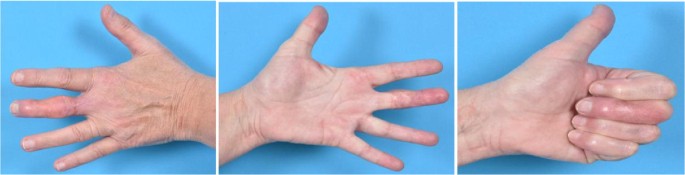 Treating A Subtotal Degloving Ring Avulsion With Leeches An Unusual Case Report With Review Of The Literature Springerlink
 Aluminum Ring Avulsion Classification Pigeon Ringo Willy Crimp Ring For Canary Bird Buy Pigeon Ringo Willy Pigeon Ring 02 From Your Phone Battery Is Severely Damaged Racing Pigeon Rings 2017 Product On Alibaba Com

 Why Jimmy Fallon May Be Lucky To Have All His Fingers Baltimore Sun

/GettyImages-140196952-56a6d9f83df78cf772908d3c.jpg) Ring Avulsion Injuries And Injury From Wedding Band
Ring Avulsion Injuries And Injury From Wedding Band
 5 Ring Avulsion Injury Statistics And What To Do If It Happens To You Qalo
Classification Of Pelvis And Aetabulum Injuries Trauma International
 Complete Ring Finger Avulsion Review Of 16 Years Of Cases At A Hand Emergency Unit Sciencedirect


